

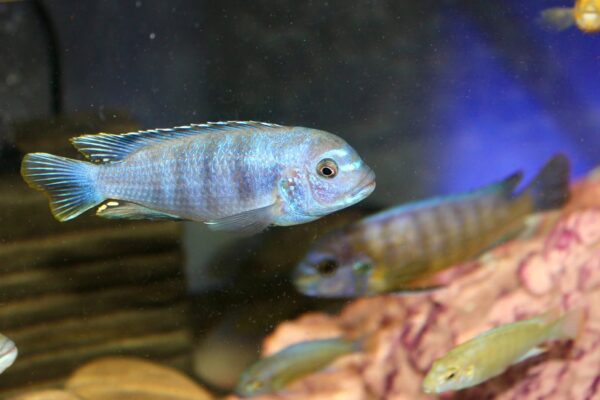
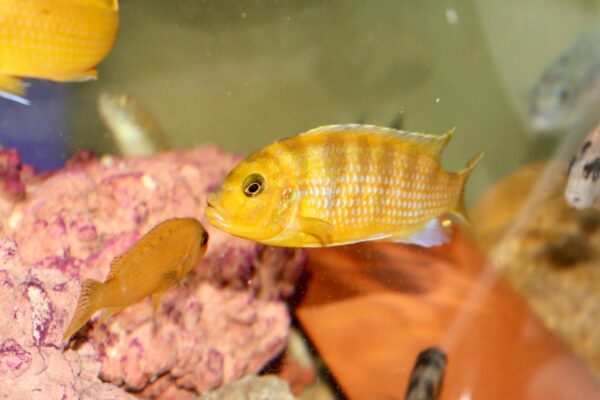
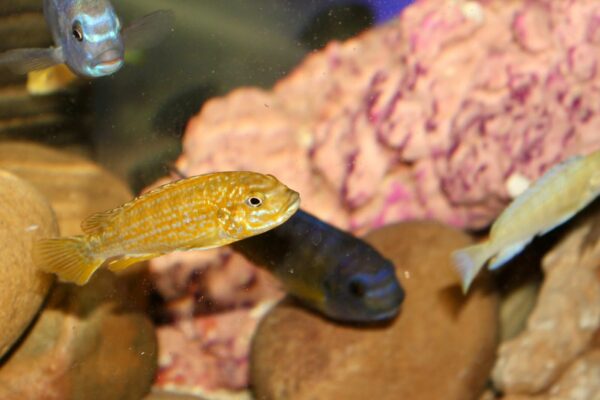

Mixed Mbuna Cichlids
R20,00
Mixed African Mbuna Cichlids (Pseudotropheus, Labidochromis, Melanochromis spp.)
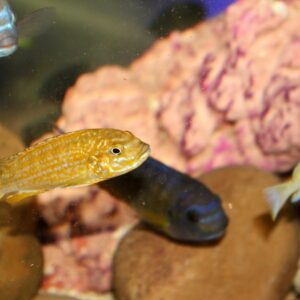
Transform your aquarium into a breathtaking burst of color with our Mixed Mbuna Cichlids. Native to the rocky shorelines of Lake Malawi in East Africa, Mbuna (pronounced mm-boo-nah, meaning “rock-dweller”) are famous for their intense, electric coloration, highly active personalities, and fascinating territorial behaviors.
This assorted mix features a vibrant variety of popular species, including Yellow Labs (Labidochromis caeruleus), Red Zebras (Pseudotropheus estherae), Powder Blue Cichlids, and Acei Cichlids. Reaching an average adult size of 10 to 13 cm (4 to 5 inches), these hardy, semi-aggressive fish thrive in hard, alkaline water with plenty of rockwork to explore. Keeping a mixed group helps disperse natural territorial tendencies while creating an ever-moving, colorful showcase in your aquarium.
Key Features:
-
Vibrant Assortment: Features vivid yellows, brilliant blues, bright oranges, and bold stripes.
-
Highly Active: Constant movement and inquisitive rock-dwelling behavior.
-
Hardy Species: Adaptable to hard, alkaline water parameters.
-
Ideal: Great choice for creating a dynamic, controlled African Cichlid community.
PLEASE NOTE A RANDOM SELECTION OF AVAILABLE FISH WILL BE SEND. NOT ALL SPECIES LISTED ARE GUARANTEED TO BE AVAILABLE OR SENT.
Email when stock available
- Description
- Reviews (0)
Description
Mixed Mbuna Cichlids
A Spectacular Spectrum of Color for Your African Cichlid Setup
If you want the dazzling, high-contrast look of a saltwater reef tank with the ease of a freshwater setup, Mixed Mbuna Cichlids are an unbeatable choice. Endemic to the nutrient-rich, rocky habitats of East Africa’s Lake Malawi, these rock-dwelling cichlids are celebrated worldwide for their bold color palettes, energetic swimming, and distinct social structures.
Key Care & Behavior Highlights
1. Dynamic Colors & Diverse Species
Our mixed selection includes hand-selected juvenile and sub-adult Mbuna from well-known genera such as Labidochromis, Pseudotropheus, Chindongo, and Iodotropheus. From the brilliant sun-yellow of the Yellow Lab to the deep violet-blues of the Pseudotropheus Acei, this mix guarantees an eye-catching blend of colors that grow richer as the fish mature.
2. Rockscape Decor & Territory Building
In the wild, Mbuna rely on rocky reefs (“cichlid caves”) for shelter, grazing, and establishing territories. Designing your aquascape with stacked limestone, slate, lava rock, or Texas holey rock mimics their natural environment. Providing ample caves and crevices reduces aggression by allowing each fish to claim its own cozy refuge.
3. Managing Social Hierarchy & Aggression
Mbuna are naturally territorial, semi-aggressive fish. The most effective way to manage their natural aggression is through “controlled overstocking” combined with heavy filtration and weekly water changes. Maintaining a dense population prevents any single dominant male from picking on a specific tankmate, ensuring a peaceful balance across the community.
4. Herbivorous & Omnivorous Feeding
In their natural habitat, Mbuna continuously graze on algae (aufwuchs) growing on rocks. Their diet should consist primarily of high-quality spirulina flakes, algae wafers, and specialized vegetable-based cichlid pellets. Avoid high-protein foods like tubifex or heavy bloodworms, as excessive animal protein can lead to digestive issues such as “Malawi bloat.”
Recommended Tank Parameters
-
Scientific Name: Various (Labidochromis, Pseudotropheus, Melanochromis spp.)
-
Average Adult Size: 10 cm – 13 cm (4 in – 5 in)
-
Minimum Tank Size: 200 L (55 gal)
-
Water Temperature: 24°C – 28°C (75°F – 82°F)
-
pH Range: 7.8 – 8.6 (Prefers hard, alkaline water)
-
Hardness: 10 – 20 dGH
-
Diet: Herbivore/Omnivore (spirulina pellets, algae wafers, vegetable flakes)
-
Temperament: Semi-aggressive / Territorial rock-dweller
Acclimation & Setup Tips
-
Water Chemistry: Ensure your pH remains alkaline (7.8–8.6). If your tap water is soft, use cichlid salts or crushed coral substrate to maintain ideal hardness.
-
Drip Acclimation: Drip-acclimate your new cichlids over 45–60 minutes to adjust them to temperature and pH levels.
-
Introduction Strategy: When adding new Mbuna to an established tank, rearrange the rockwork slightly beforehand. This resets existing territories and allows newcomers to settle in smoothly!
Only logged in customers who have purchased this product may leave a review.
Related Products
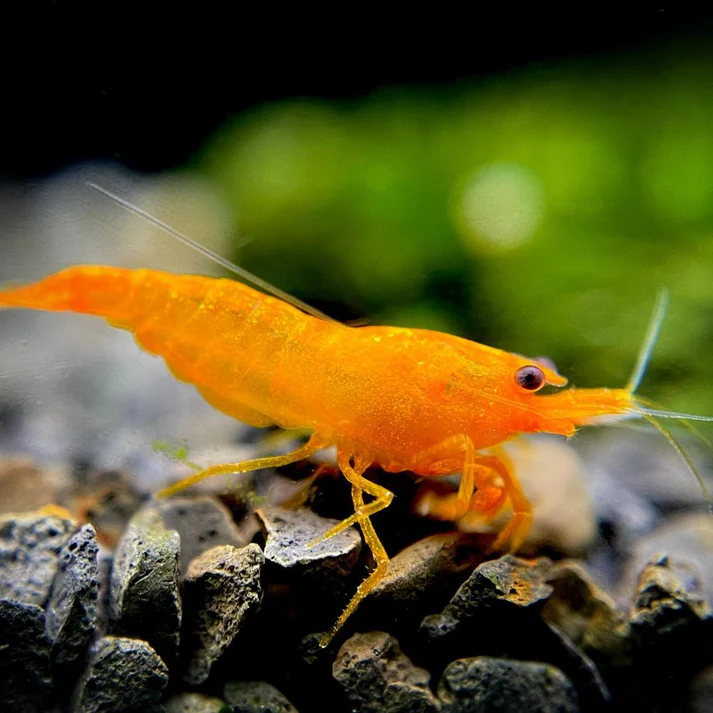
Orange Shrimp
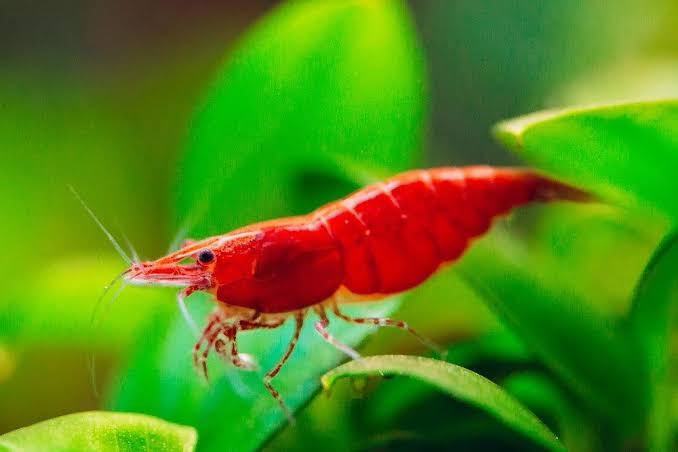
Fire Red Cherry Shrimp
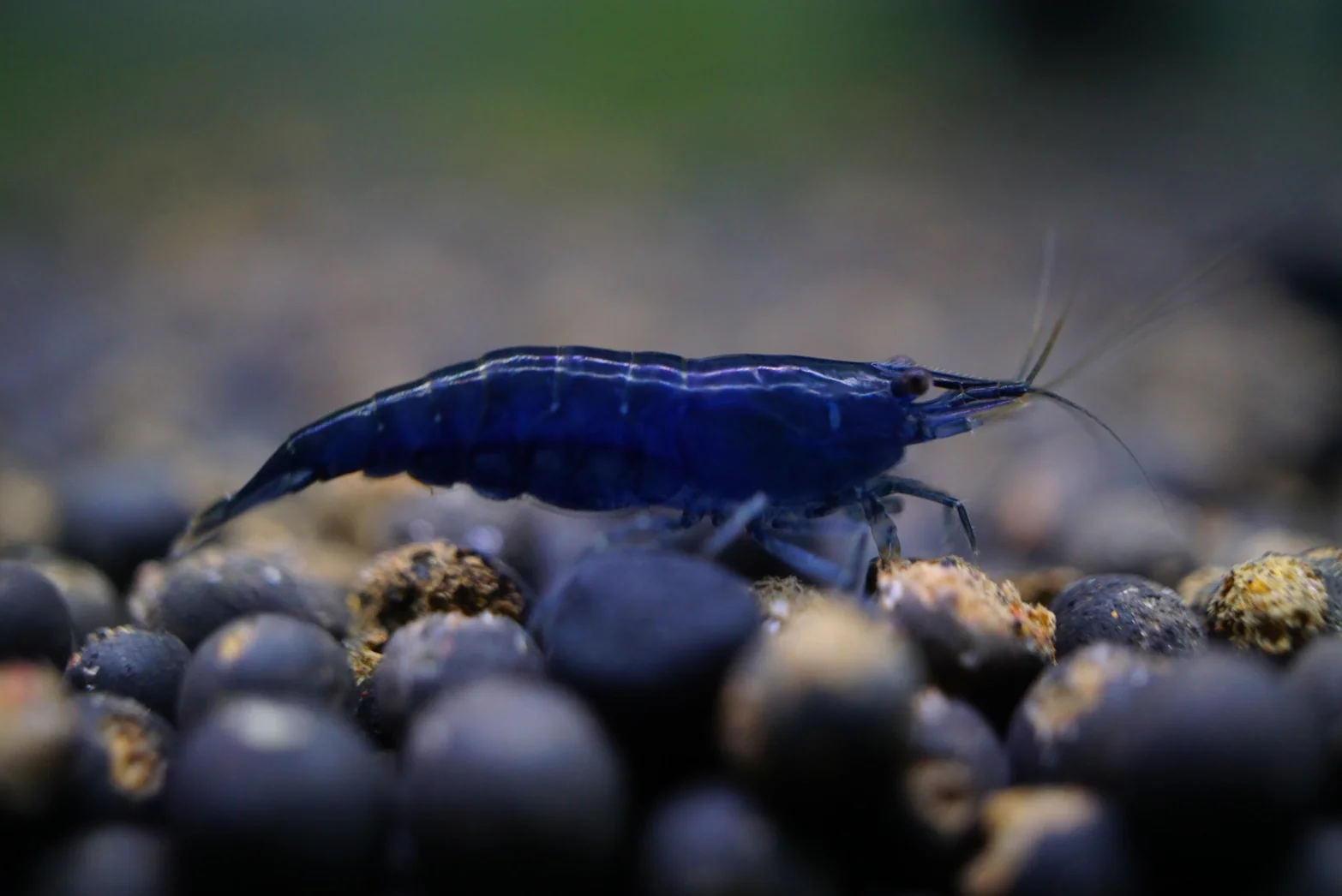
Blue Diamond Shrimp
Reviews
There are no reviews yet.