


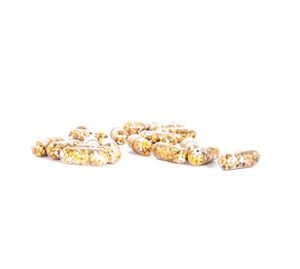
Tropica Root Tab Nutrition Capsules
- Nutrition Capsules contain both nitrogen, phosphor, iron and micro nutrients.
- The nutrients are slowly released as the plants need them.
- Use Nutrition Capsules for stem plants, Cryptocoryne, Echinodorus, Vallisneria etc. – all plants with sturdy roots.
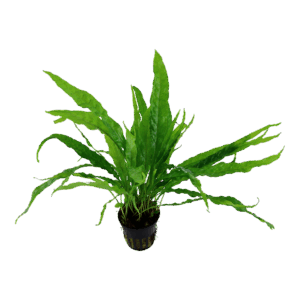
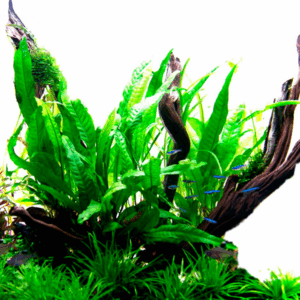
Tropica Java Fern Microsorum pteropus
Tropica Java Fern Microsorum pteropus is a water fern from Asia, 15-30 cm tall. To be grown on a root or stone, attached with fishing line until it has gained a hold. If planted in the bottom, do not cover the rhizome because it will rot. Easy to propagate by splitting the horizontal rhizome. A hardy plant that grows in all conditions. The black spots under the leaves are sporangia (reproductive organs), not signs of disease, as many believe.
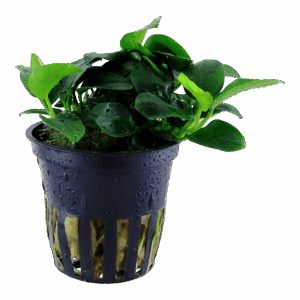
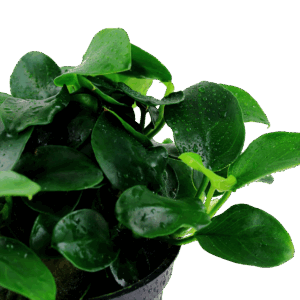
Tropica Anubias Barteri 'Petite'
Anubias sp. ‘Petite’ is a mutation which appeared in cultivation at the Oriental aquarium plant nursery in Singapore. Stays less than 5 cm tall, has very small leaves and a rhizome of 5-10 cm or more from which the leaves will grow. Branches well and creates dense groups. Undemanding like the other Anubias and does not appreciate high light intensity either. It is most decorative when attached to stones or roots, and like other Anubias it should be attached with fishing line until it gains a hold. If planted in the bottom, do not cover the rhizome as this may cause the plant to rot and die. An ideal plant for miniature landscapes in small aquariums but will also attract attention in larger tanks.
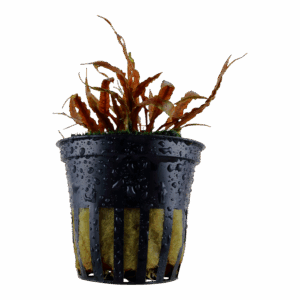
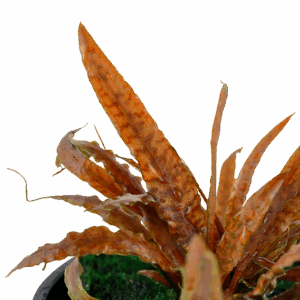
Tropica Cryptocoryne Albida Brown
This little Cryptocoryne comes from Asia, and grows naturally in for instance Thailand. The narrow, red-brown leaves have clear, black patterns and beautifully waving leaf edges. Each leaf grows to be about 1-3 cm wide and up to 15 cm long, giving the plant a light and graceful look, which is easy to combine with other plants inside the aquarium, enabling beautiful contrasts. Like many other Cryptocorynes, it is able to grow under must conditions and can thrive at even very poor light conditions. However, it will only grow very slow under such conditions.
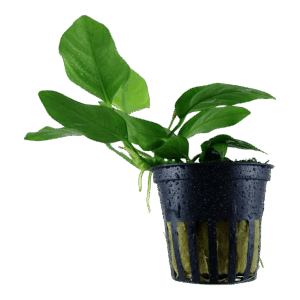
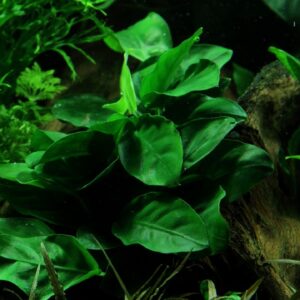
Tropica Anubias barteri var. nana
Tropica Anubias barteri var. nana is a small, attractive plant that thrives in all conditions. It originates from Cameroon and will reach 5-10 cm height. The rhizome will be 10-15 cm or more. It grows slowly, and the leaves survive for several years, giving slow-growing algae the chance to become established. The best result is achieved by planting on a stone or tree root. Fishing line can be used to attach the plant until it gains a hold. If planted on the bottom the rhizome must not be covered because it tends to rot. It flowers frequently under water and will thrive in shady places, where other plants will not. It is not eaten by herbivorous fish.
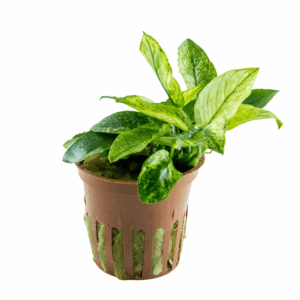
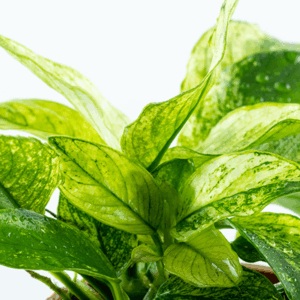
Tropica Anubias barteri var. nana ’Pinto’
Anubias 'Pinto' is an exquisite selected cultivar of Anubias barteri. Its leaves, measuring 3-6 cm, showcase captivating patterns of white, light green, and dark green. These patterns can vary depending on the environment, and under certain conditions, the plant may develop entirely dark green leaves. Achieving the perfect balance of light is crucial as good lighting enhances the white patterns, but excessive light can lead to damage and algae issues. With slow growth, Anubias 'Pinto' is a plant that demands patience. It can be beautifully incorporated into aquascapes by attaching it to rocks or wood in the aquarium. However, it is essential to remember never to cover the rhizome, as this can result in rotting and the plant's demise. Unveil the enchanting allure of Anubias 'Pinto' as it adorns your aquascape with its captivating blend of colors and intricate leaf patterns. Strike the perfect balance of lighting, and watch as this cultivar flourishes, becoming the centerpiece of your aquatic paradise.
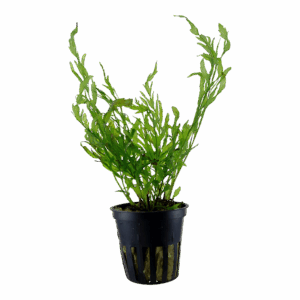
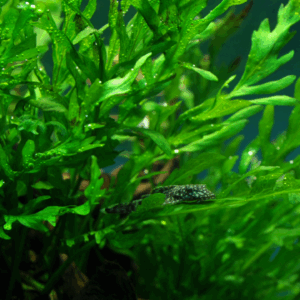
Tropica Bolbitis heudelotii
Bolbitis heudelotii comes from West Africa, a fern with beautiful, transparent green leaves, 15-40 cm tall and wide. When planting, do not cover the rhizome because it will rot, and it is best to plant Bolbitis heudelotii on a root or stone. Keep the plant in position with fishing line until it has gained a hold. Easy to propagate by splitting the horizontal rhizome. Supply of CO2 will considerably enhance the growth, which is only optimal in soft, slightly acidic water.
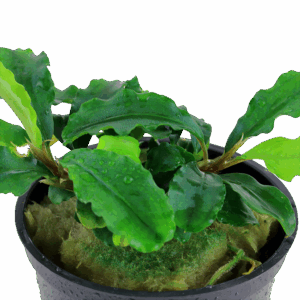
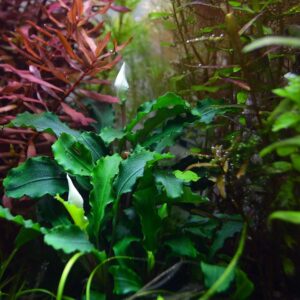
Tropica Bucephalandra pygmaea 'Bukit Kelam'
In nature, Bucephalandra usually grows on rocks or wood in rivers and streams - much like Anubias, which they resemble regarding use and care in the aquarium. Bucephalandra 'Wavy Green' is an easy, slow-growing plant that prefers lower light levels. A nice, dense appearance is ensured by the willingness to branch, even without trimming. The green leaves are 2 cm wide and 5 cm long with wavy edges. Tiny white spots will appear on immerse leaves. The creeping stem, rhizome, must not be covered when planting. This will cause the plant to rot and die.
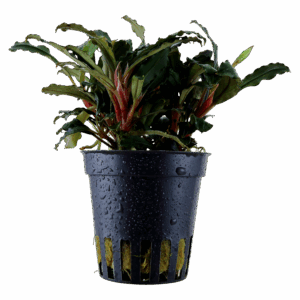
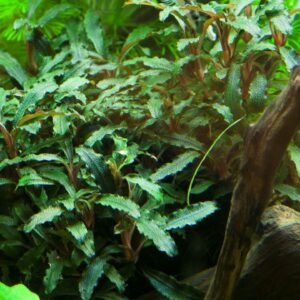
Tropica Bucephalandra sp. 'Red'
The Bucephalandra resemble Anubias very much and should be treated the same way. They usually grow more or less epiphytic in or near water. Bucephalandra sp. 'Red' does best at lower light levels and is very easy to grow. The leaves are of a very dark green or leathery red colour. Numerous tiny, white dots and sometimes a faint, metallic, blue colour will appear on submerse leaves. Size of leaf is 2-4 cm wide, 4-6 cm long and usually it will present wavy edges. Do not cover the creeping rhizome when planting. This will cause the plant to rot and die.
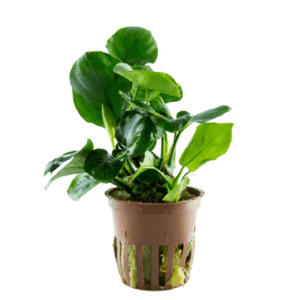
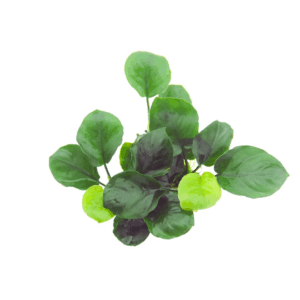
Tropica Anubias barteri ’Coin Leaf’
Anubias 'Coin Leaf' is a captivating cultivar of Anubias barteri. With its nearly circular leaves, measuring 4-6 cm in diameter, and a rich deep green color, this variant stands out. Its growth is slow and creeping, making it an ideal choice for aquarists seeking low-maintenance plants. Thriving in relatively low light, Anubias 'Coin Leaf' is an easy-to-grow plant that adds a touch of elegance to any aquarium. It can be placed on rocks or wood within the tank, but if planted in the substrate, take care not to bury the rhizome. Burying the rhizome can lead to rotting and the plant's demise. Discover the beauty of Anubias 'Coin Leaf' as it enhances your aquatic garden with its circular leaves and vibrant green hue.
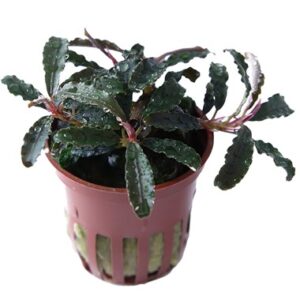
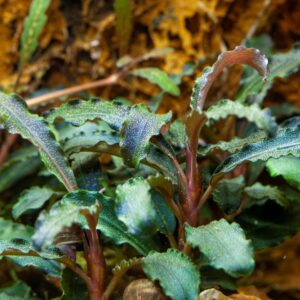
Tropica Bucephalandra 'Kedagang'
The ‘Kedagang’ is a variety of the Bucephalandra family originated in Borneo. It is characterized by long, narrow, dark green leaves with white dots. The leaf can be 1-2 cm wide and up to 6 cm long. The rhizomes are red and similar to the Red variety of Bucephalandra. When immersed, a blue metallic shade may appear on the leaves.
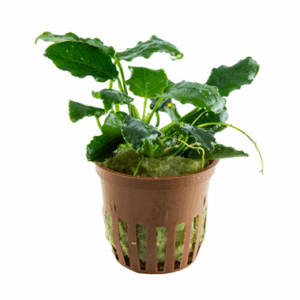
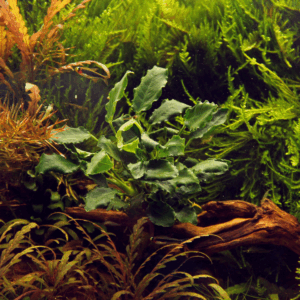
Tropica Anubias barteri var. nana ’Kirin’
Anubias barteri 'Kirin' is a captivating aquatic cultivar inspired by an Asian dragon. Its ovate dark green leaves with strongly wavy edges, measuring 3-4 cm, set it apart from other Anubias species. This slow-growing plant thrives in low-light conditions and is best attached to wood or rock in the aquarium. Avoid covering the rhizome to prevent rot and ensure its survival. Experience the magic of Anubias barteri 'Kirin' as it adds a touch of enchantment to your aquascape.
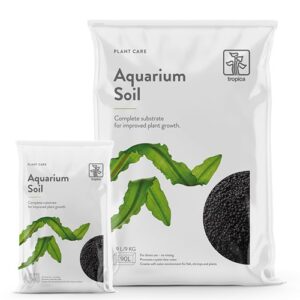
Tropica Aquarium Soil
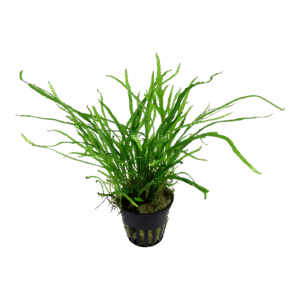
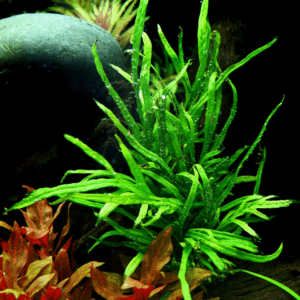
Tropica Microsorum pteropus Trident Java Fern
Microsorum pteropus or Java fern is from Asia. Tropica Microsorum pteropus Trident Java Fern is a narrow-leaved, smaller form of Microsorum, which like other Microsorum is an easy and safe plant. ’Trident’ is both suitable for beginners, as well as the experienced scaper, and fits both smaller and larger aquariums. The name ’Trident’ tells that the plant leafs are tripartite, while the leaves can vary from whole to multipartite. Suitable for planting on stones or tree roots. When planted on the bottom layer, avoid covering the horizontal stalk. New, small plants are often created on the leaf tips, and can carefully be pulled off and planted.
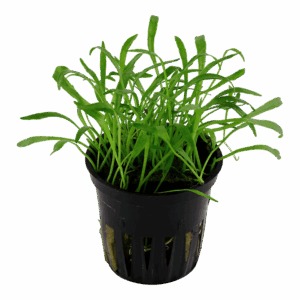
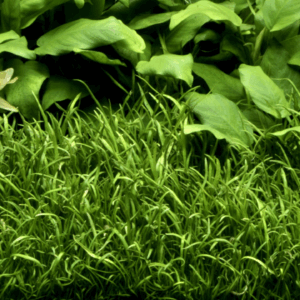
Tropica Lilaeopsis brasiliensis
Tropica Lilaeopsis brasiliensis from South America can grow very compact, but a "lawn effect'' (4-7 cm tall) is only achieved at high light intensity. When planting in the aquarium small clumps (approx. 1/8 pot) should be placed a few centimetres apart to help the plants grow together more quickly. Place in an open position without shading from other plants to ensure good light. Lilaeopsis brasiliensis can be used in garden ponds, and also tolerates low salt concentrations in brackish aquariums.
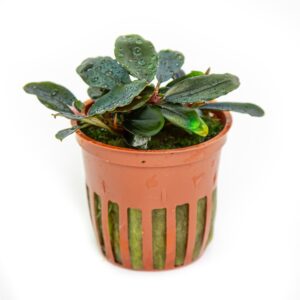
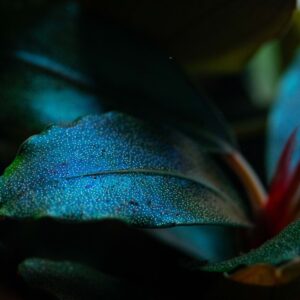
Tropica Bucephalandra sordidula ‘Blue’
Tropica Bucephalandra Sordidula 'Blue' is a highly sought-after plant known for its unique, shimmering blue leaves, which add a rare touch of elegance and sophistication to aquascapes. Native to Borneo’s riverbanks, this plant is a perfect choice for creating natural, jungle-inspired scenes with rich textures and subtle hues. Its leaves display a captivating blue sheen that varies with lighting, making it ideal for aquarists seeking something truly special. Slow-growing and easy to maintain, Bucephalandra 'Blue' thrives in low to moderate light, though higher lighting can enhance its color. This plant is versatile and hardy, adapting well to most aquarium conditions, making it suitable for beginners and experts alike. It’s best placed in the midground or foreground, where its unique color and texture can be admired up close. Attach it to driftwood or rocks for a natural look that mimics its natural habitat. Key Benefits Unique Blue Sheen: Adds an exotic and subtle color. Low Maintenance: Thrives in a range of conditions. Versatile Placement: Perfect for midground or foreground. Natural Aquascaping: Ideal for attaching to hardscape elements. Slow Growth: Retains its form with minimal trimming. Bucephalandra Sordidula 'Blue' is a show-stopper for aquascapers who appreciate the rare and beautiful. Its unique colors, ease of care, and versatility make it a favorite for creating elegant, natural aquascapes.