

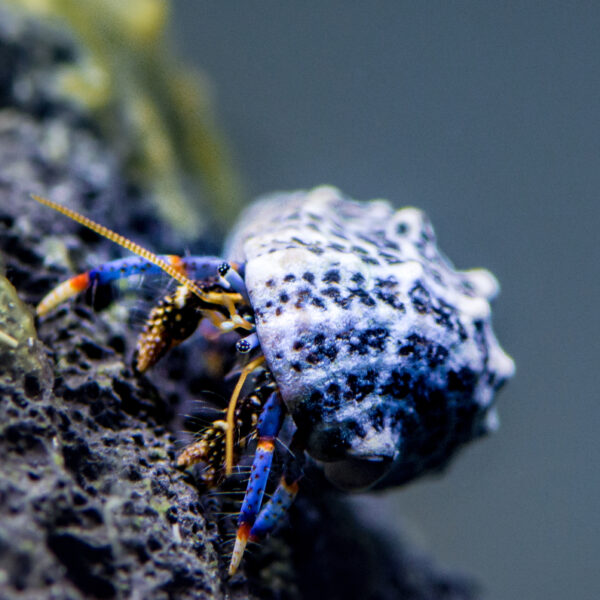
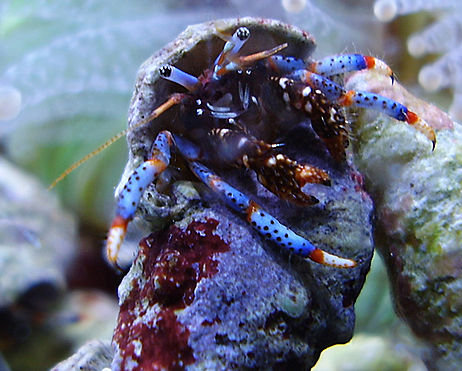
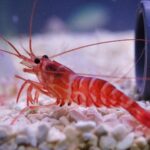
Blue Leg Hermit Crab
Price range: R90,00 through R100,00
Blue Leg Hermit Crab (Clibanarius tricolor) is a hardy marine scavenger known for its bright blue legs and algae-cleaning abilities. Ideal for reef aquariums, it helps control detritus and leftover food while adding natural movement and interest to the tank.
A favourite in many marine tanks!
- Description
- Additional information
- Reviews (0)
Description
Blue Leg Hermit Crab (Clibanarius tricolor)
The Blue Leg Hermit Crab is a small, active, and hardy marine invertebrate prized for its bright blue legs and natural algae-cleaning habits. Ideal for reef aquariums and fish-only systems with live rock, this species helps maintain a clean tank by scavenging leftover food, algae, and detritus. Its striking coloration and constant movement also make it an attractive addition to the lower levels of the aquarium.
Native to the western Atlantic Ocean, from Florida to Brazil, Blue Leg Hermit Crabs inhabit shallow reefs and rocky coastlines. They are highly adaptable, peaceful, and generally reef safe, making them a popular choice for both beginners and experienced marine aquarists.
Why You’ll Love the Blue Leg Hermit Crab
-
Distinctive bright blue legs for visual appeal
-
Effective algae and detritus scavenger
-
Generally reef safe with most corals
-
Hardy and adaptable to various marine environments
-
Adds natural movement and interest to the tank
Appearance & Behaviour
Blue Leg Hermit Crabs are small, typically growing to around 2.5–3 cm, and are easily recognised by their vibrant blue legs contrasting against a darker body. They carry a shell for protection, which they may switch as they grow or as better shells become available.
They are peaceful and active, moving across sand beds, live rock, and corals in search of food. While generally reef safe, they may occasionally nibble on slow-moving or soft invertebrates if underfed.
Tank Requirements & Care
Blue Leg Hermit Crabs thrive in established marine aquariums with stable water conditions.
Tank Size:
-
Minimum 40–50 litres recommended
Water Parameters:
-
Temperature: 24–27°C
-
pH: 8.1–8.4
-
Salinity: 1.023–1.025
Environment:
-
Plenty of live rock for grazing and hiding
-
Sandy substrate preferred for burrowing and shell exploration
Provide a variety of empty shells to allow crabs to change as they grow.
Feeding
Blue Leg Hermit Crabs are omnivorous scavengers. Their diet includes:
-
Algae and biofilm
-
Detritus and leftover fish food
-
Blanched vegetables (optional supplement)
If natural food is limited, supplement with high-quality marine pellets or algae wafers to ensure proper nutrition.
Reef Compatibility
✅ Generally reef safe
⚠️ May occasionally nibble on soft corals or slow-moving invertebrates if underfed
They are excellent for community and reef aquariums, especially when kept in small groups to increase cleaning efficiency.
Quick Facts
-
Common Name: Blue Leg Hermit Crab
-
Scientific Name: Clibanarius tricolor
-
Adult Size: 2.5–3 cm
-
Temperament: Peaceful
-
Care Level: Easy
-
Diet: Omnivore / Scavenger
-
Reef Safe: Generally yes
-
Water Type: Marine (Saltwater)
The Blue Leg Hermit Crab is a hardy, visually striking, and practical addition to marine aquariums, helping maintain a clean and healthy environment while adding natural activity to your reef or FOWLR setup.
Hermit Crab Comparison Guide 🦀
Hermit crabs are a popular choice for marine and reef aquariums due to their scavenging behaviour, reef-safe nature, and ability to add natural movement to the tank. While several species are commonly available, each has unique traits, dietary needs, and tank requirements. Here’s a detailed comparison of the most popular hermit crabs for reef systems.
Blue Leg Hermit Crab (Clibanarius tricolor)
Best for: Algae control and general cleanup
-
Appearance: Dark body with bright blue legs, small size
-
Adult Size: 2.5–3 cm
-
Diet: Algae, detritus, leftover fish food
-
Temperament: Peaceful
-
Reef Safe: Generally yes; may nibble soft corals if underfed
-
Notes: Hardy and active; works well in groups for improved tank cleaning
Scarlet Reef Hermit Crab (Paguristes cadenati)
Best for: Reef-safe scavenger with bold coloration
-
Appearance: Vibrant red body with white-tipped claws, medium size
-
Adult Size: 3–4 cm
-
Diet: Algae, detritus, leftover food
-
Temperament: Peaceful to semi-aggressive
-
Reef Safe: Yes, very reef-friendly
-
Notes: Prefers hiding spots and multiple shells; adds strong colour contrast to reef tanks
Red Leg Hermit Crab (Clibanarius tricolor variant)
Best for: Algae and general tank cleaning
-
Appearance: Dark body with bright red legs
-
Adult Size: 2.5–3.5 cm
-
Diet: Algae, detritus, leftover food
-
Temperament: Peaceful
-
Reef Safe: Generally yes
-
Notes: Very hardy and adaptable; best kept in groups to increase cleaning efficiency
Quick Comparison Table
| Species | Colour/Markings | Size | Diet | Reef Safe | Notes |
|---|---|---|---|---|---|
| Blue Leg Hermit Crab | Blue legs, dark body | 2.5–3 cm | Algae, detritus | Yes | Hardy, active scavenger |
| Scarlet Reef Hermit Crab | Red body, white claws | 3–4 cm | Algae, detritus | Yes | Bold colour, prefers hiding spots |
| Red Leg Hermit Crab | Red legs, dark body | 2.5–3.5 cm | Algae, detritus | Yes | Hardy, works best in groups |
Tips for Reef Keepers:
-
Always provide plenty of live rock and sandy substrate for hiding and burrowing.
-
Offer multiple shells to allow hermit crabs to switch as they grow.
-
Supplement feeding with marine algae wafers or pellets if natural food is limited.
-
Keep in small groups for social species to improve cleaning efficiency and reduce stress.
Hermit crabs are a practical and visually appealing addition to any marine aquarium. Choosing the right species helps ensure effective algae control, scavenging, and a peaceful reef environment.
Mixing Hermit Crab Species – What You Need to Know
Verdict: Generally safe, but with some important caveats.
1. Compatibility
-
Most reef-safe hermit crabs (Blue Leg, Scarlet Reef, Red Leg, etc.) are peaceful scavengers.
-
They rarely fight aggressively because they occupy similar niches but usually forage at different times or areas of the tank.
-
Territorial disputes are rare but can occur if space or hiding spots are limited.
2. Shell Competition
-
Hermit crabs need adequate empty shells for growth.
-
Mixing species increases competition for shells, especially if one species is slightly larger or faster at claiming shells.
-
Recommendation: Provide extra shells of various sizes to avoid stress and fighting.
3. Diet & Scavenging
-
Most hermit crabs are omnivorous scavengers, eating algae, detritus, and leftover food.
-
Mixing species works well because they all help clean different areas of the tank.
-
Supplement feeding is essential, particularly if one species is smaller or less aggressive at scavenging.
4. Reef Safety
-
All common species are generally reef safe.
-
When mixed, monitor interactions around soft corals, polyps, or small invertebrates — overfeeding reduces the risk of them nibbling corals.
5. Social Behaviour
-
Hermit crabs are social and often do better in groups.
-
Mixing species can enhance natural cleaning behaviour, as each species may occupy slightly different territories or levels of the tank.
Practical Tips for Mixing Species
-
Provide multiple hiding spots and live rock structures.
-
Offer more shells than needed, ideally 1.5× the number of crabs.
-
Feed adequately to reduce coral nipping.
-
Introduce slowly, starting with the smaller or more timid species.
-
Observe interactions for the first 1–2 weeks to ensure no dominant species is stressing others.
Bottom line:
Mixing Blue Leg, Scarlet Reef, and Red Leg Hermit Crabs is safe and often beneficial, provided there is enough space, shells, and food. They complement each other in cleaning duties and add colour and activity to the tank. The only real risk is competition for shells, which is easily managed with extras.
Additional information
| Size | Small/Medium, Large |
|---|
Only logged in customers who have purchased this product may leave a review.
Reviews
There are no reviews yet.